
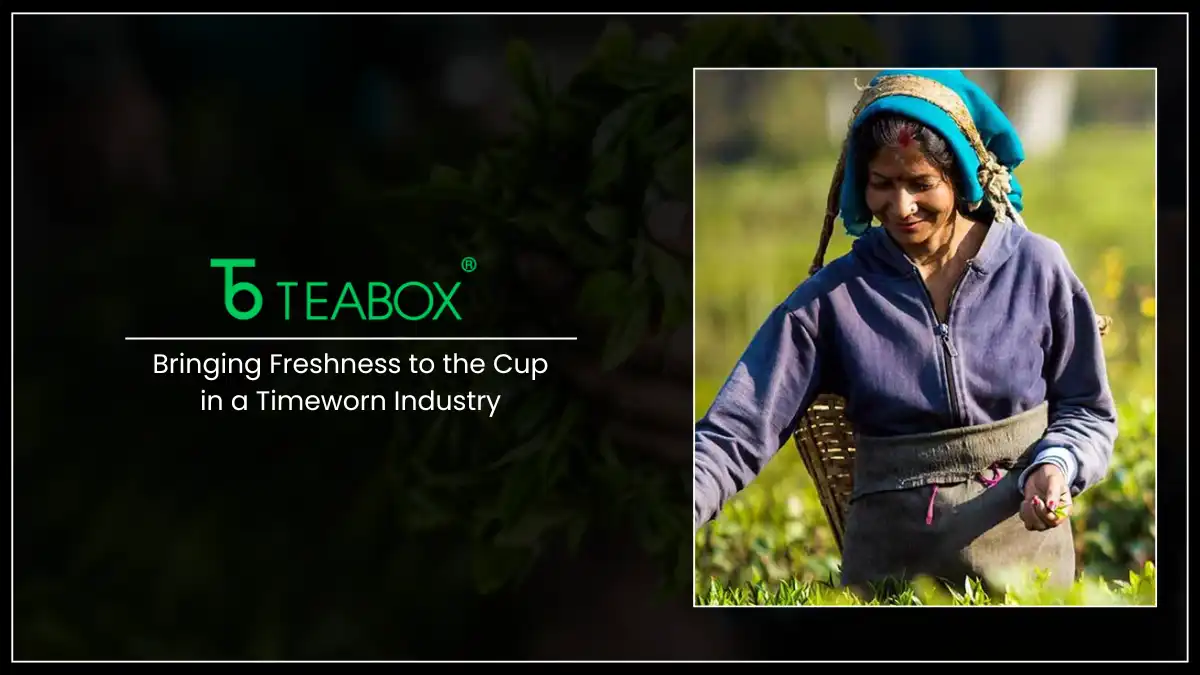
In an industry as old as tea, change doesn’t come easily. Most tea lovers aren’t aware that the packet they pick up from a store may contain leaves harvested months ago, their aroma and flavor dulled by time and multiple middlemen. Teabox, a startup based out of India, set out to change that—with the simple idea of making tea fresher, faster, and more direct.
The Founder: From Darjeeling to Direct-to-Consumer
Teabox was founded in 2012 by Kausshal Dugarr, a first-generation entrepreneur from Darjeeling, a town long associated with fine tea. He didn’t come from a tech background or a business dynasty. Instead, Dugarr’s exposure to tea estates and the traditional trade routes gave him a ground-level view of what wasn’t working primarily, how long it took for teas to get from plantations to customers.
That delay, he believed, was the biggest bottleneck in offering quality tea globally. The idea behind Teabox was born: use technology to cut the lag and deliver fresh tea directly to consumers worldwide.
Spotting the Problem
Traditional tea distribution involves a long and winding supply chain. After being picked, teas go through auctions, wholesalers, exporters, importers, and finally retailers. It can take 3 to 6 months before the tea reaches the shelf and by that time, the flavor profile has often faded.
Kausshal saw an opportunity here. Could an online model bypass the legacy system? Could customers actually taste tea as it’s meant to be fresh from the garden?
What Teabox Is Trying to Solve
The pitch was clear: shorten the supply chain, make the product traceable, and deliver fresher tea to the end consumer. Teabox built its own infrastructure sourcing directly from more than 150 tea estates in India and Nepal, storing teas in temperature-controlled facilities, and shipping them globally from a central hub.
Unlike marketplaces or resellers, Teabox wanted full control of the supply chain. That also meant full responsibility. For a bootstrapped startup, this came with logistical and operational challenges. Cold-chain storage, global shipping, and maintaining quality standards required serious investment not just financially, but also in learning how to blend tradition with new-age digital tools.
About the Startup: What Teabox Does Differently
Here’s what sets Teabox apart in the tea e-commerce space:
- Freshness as a USP: All teas are shipped within 24-48 hours of being packed. This “farm-to-cup” model is what Teabox banks on.
- A Curated Selection: Rather than a bulk inventory model, Teabox curates its offerings seasonal flushes, limited-edition blends, and even wellness-based herbal infusions.
- Global Distribution: With customers across 100+ countries, Teabox positions itself as an Indian brand with global relevance.
- Data-Driven Personalization: The company also uses customer data to personalize tea recommendations, subscriptions, and content.
But it hasn’t all been smooth sailing. Building trust in international markets, especially for a category as culturally nuanced as tea, took time. Competing against legacy brands with deeper pockets required a smarter, leaner marketing approach.
The Present Reality
Today, Teabox is still a relatively small player in the massive global tea industry, but it’s carved a niche among quality-conscious tea drinkers. It appeals to those who care about provenance, flavor, and ethical sourcing.
What makes Teabox more than just another D2C brand is its attempt to modernize one of India’s most traditional exports. By bringing together local producers and global buyers through a simplified, transparent process, it’s helping shift the narrative on Indian tea from a commodity to a curated experience.
Final Thoughts
Teabox isn’t trying to disrupt the tea industry with gimmicks. Its proposition is quiet but strong: great tea should be fresh, fairly sourced, and easy to access. Whether or not it scales to become a household name, it has already done the heavy lifting of introducing transparency and innovation to an otherwise opaque supply chain.
It’s still writing its story, but one thing is clear. In a world racing toward instant everything, Teabox is slowing things down, one fresh cup at a time.


